
During a time in which spaces for law and education where dominated by white men, a Black woman persevered through both racial discrimination and gender discrimination to become the first Black woman lawyer in the United States.
On January 13th, 1850 in New York City, Charlotte E. Ray was born to prominent minister and abolitionist, Reverend Charles Bennet Ray, and to her mother, Charlotte Augusta Burroughs Ray. Ray grew up in a progressive and well-respected household. Charlotte’s father, Reverend Ray, served as an editor of The Colored American, one of the first Black American newspapers. Subsequently, Charlotte grew up in a household in which education was a core value.
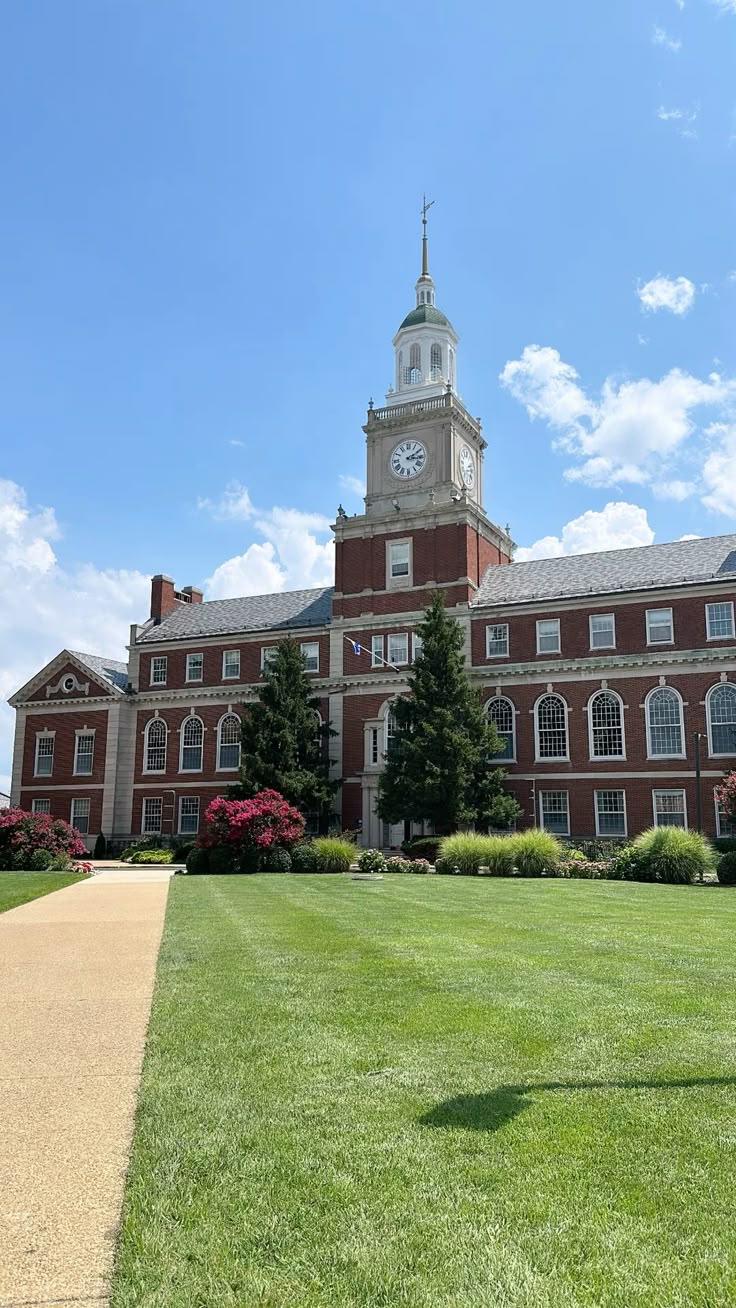
Charlotte went on to Washington D.C. in the 1860’s to attend Myrtilla Miner’s Institution for the Education of Colored Youth, one of the few institutions that educated Black women at that time. Graduating in 1869, Ray began teaching at Howard University, two years after Congress chartered the institution and the same year the institution opened its first law school for Black Americans, the Howard University Law Department.

The Howard University Law Department, like all other institutions, did not admit women. Still, Ray was clever and applied to the school under the acronym C.E. Ray. Classmate Lelia Robinson wrote that, “there was some commotion when it was discovered that one of the applicants was a woman.”1
Ray was granted admission and began her education, taking evening classes and teaching during the day. Ray graduated from Howard School of Law on February 27th, 1872, and would go on to become the first woman admitted to the District of Columbia Bar. She’d then be appointed to practice in the Supreme Court of the District of Columbia.
Her most renowned work is on the case of Gadley v. Gadley, in which she defends a woman petitioning for divorce from an abusive marriage. Arguments for the case included habitual drunkenness, violence, and cruelty. Yet and still, Ray and Gadley initially lost the case. However, Ray was able to successfully reverse the former denial and secure the divorce for Mrs. Gadley. 2
Ray would begin her practice in commercial law shortly after. General Otis Howard, the founder and president of Howard University, refers to Ray’s affinity for corporate law as having “read us a thesis on corporations, not copied from the books but from her brain, a clear, incisive analysis of one of the most delicate legal questions.”3 Ray advertised her independent practice in Frederick Douglass’ New National Era and Citizen newspapers.
Despite Ray’s Howard University connections and Supreme Court experience, her practice would close due to fewer client opportunities. Wisconsin attorney Kate Kane Rossi wrote, “Miss Ray … although a lawyer of decided ability, on account of prejudice was not able to obtain sufficient legal business and had to give up … active practice.”
During this time, Charlotte married Fraim and became known as Charlotte E. Fraim (sometimes recorded as Frame) in the late 1880s. However, there is not much recorded about the marriage. Charlotte E. Fraim would return to New York to teach in the Brooklyn School System.
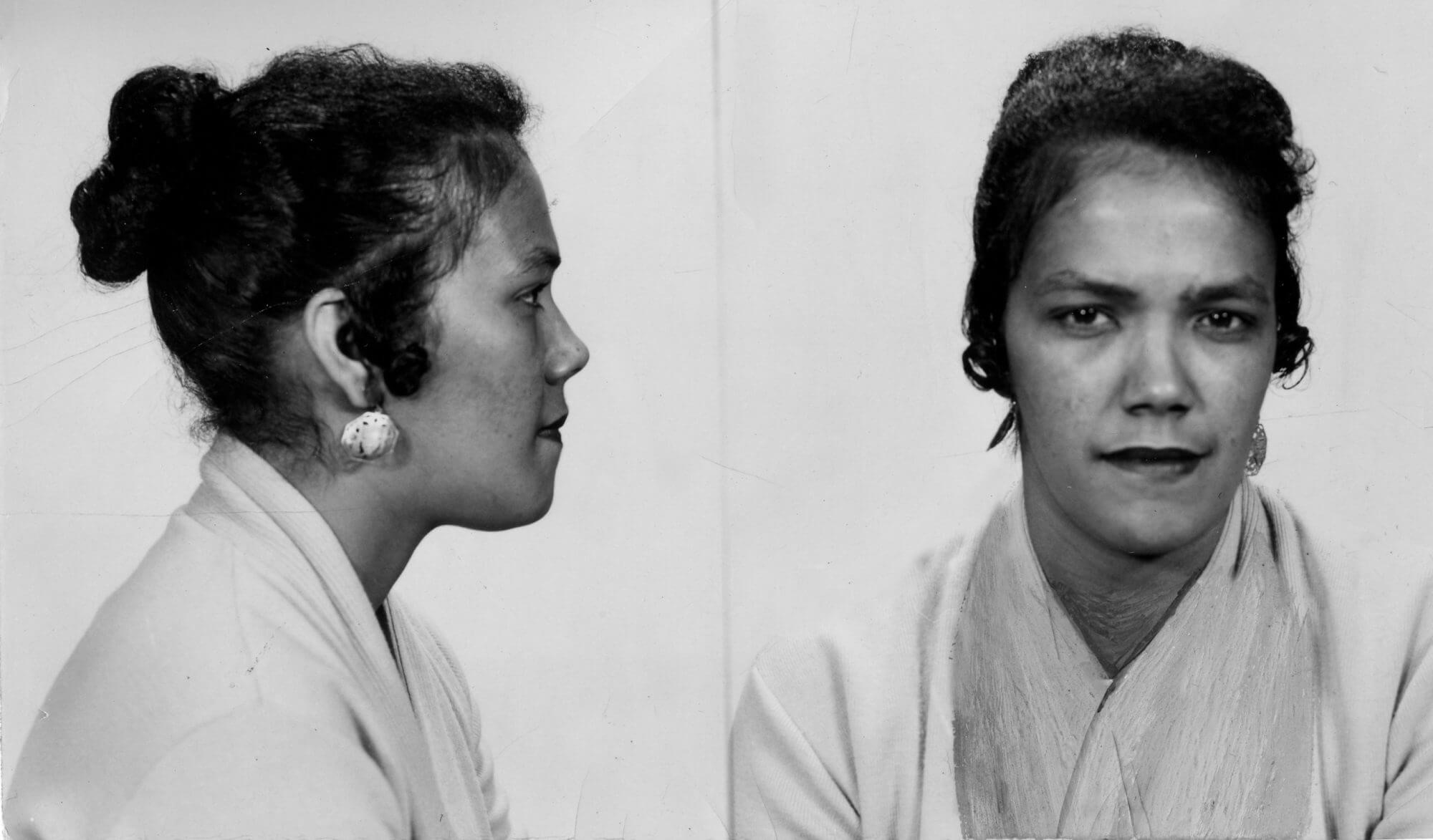
One notable appearance by the infamous “C.E. Ray” includes the National Woman Suffrage Association’s 1876 convention in New York. Ray is also noted as a member of the National Association of Colored Women.4 To this day, no one knows what the first Black woman lawyer looked like, as no known photo or commissioned painting of Charlotte E. Ray exists.

Leave a Comment