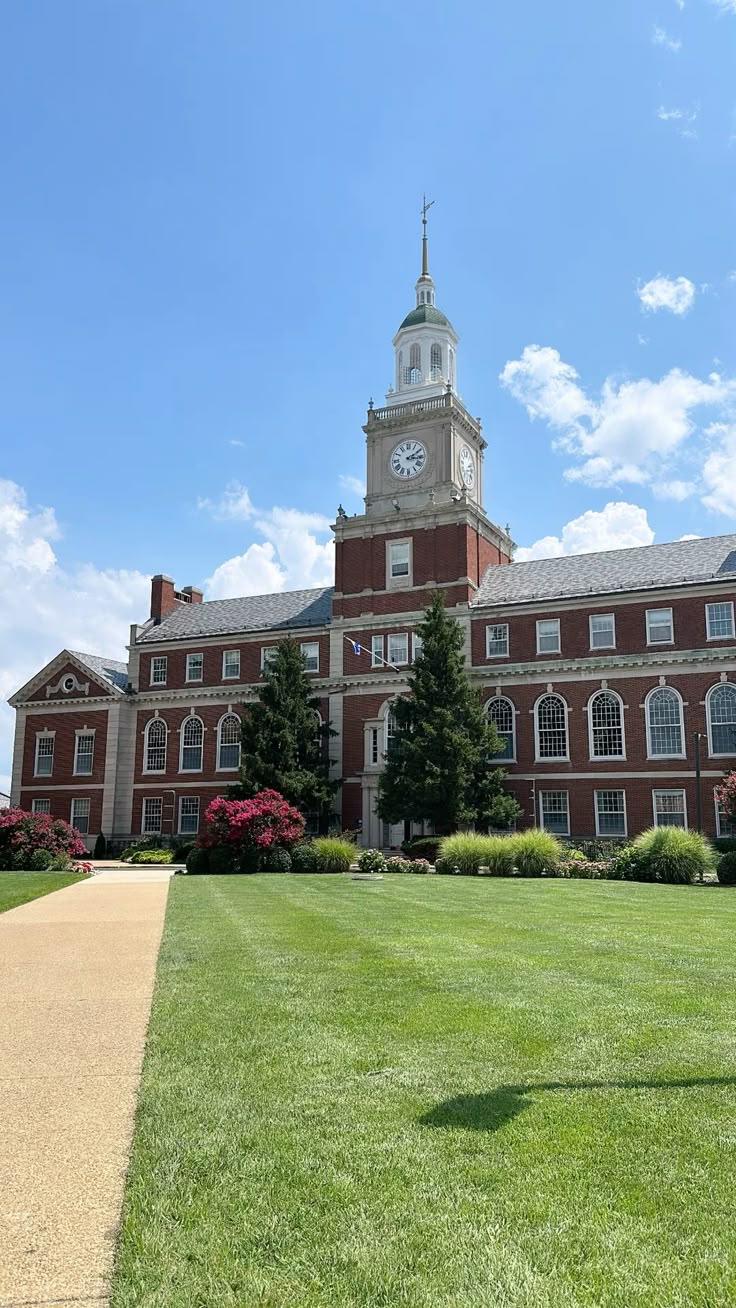
Like many historically Black colleges and universities (HBCUs), historically Black schools of law originate from a deep sense of both self-preservation and community-centeredness. This was vital in an era in which Black Americans fought segregationist policies and institutions.

After the American Civil War (1861-1865) and the Emancipation Proclamation (January 1st, 1863), America, its citizens, and its newly freed Black citizens began to navigate a complex and contested social environment. Inundated with segregation laws, racial discrimination, and thousands of hate crimes, Black Americans’ legal cases were aimed at protecting their dreams for life, liberty, the pursuit of happiness, and most importantly, equity. Demand for Black attorneys at the time was high, as discourse about race, rights, and social progress began to shape the world we know today.
Howard University is a coeducational private institution in Washington, D.C., chartered by the U.S. Congress in 1867. Created with a mission to provide educational opportunities for Black Americans and other minorities post-Reconstruction (1865-1877), Howard University would also charter the first Black law school.

Howard University School of Law was founded as the Howard University Law Department on January 6, 1869, under the leadership of Professor John Mercer Langston.1 In 1870, Langston was appointed Dean of the institution, thus officially changing the school’s name to the Howard University School of Law.
The 6 individuals of the first class of the Howard University Law Department are as follows: John Mercer Langston, Charles Hamilton, Emanuel Hewlett, Robert H. Terrell, James C. Napier, and George M. Arnold. The students attended the school in the evenings, and like many Black institutions, there were initially no classroom settings. By June of 1969, the school had grown to twenty-two students. On February 3rd, 1871, the first 10 graduates, having completed two years at the Howard University School of Law, graduated, with 8 of them on to practice in D.C. the very next day.
The school officially extended graduation requirements from two years to three years in 1877, and the new three-year program began in 1900. In 1931, the Howard University School of Law was accredited by both the American Bar Association (ABA) and the Association of American Law Schools (AALS). From its humble beginnings, the school had grown in size, structure, and stature under the leadership of its deans. Among the more nationally noted are Charles Hamilton Houston, 1930-1935; William Henry Hastie, 1939-1946; James M. Nabrit, 1958-1960; Spotswood Robinson III, 1960-1963; and Wiley A. Branton, Sr., 1978-1983.1

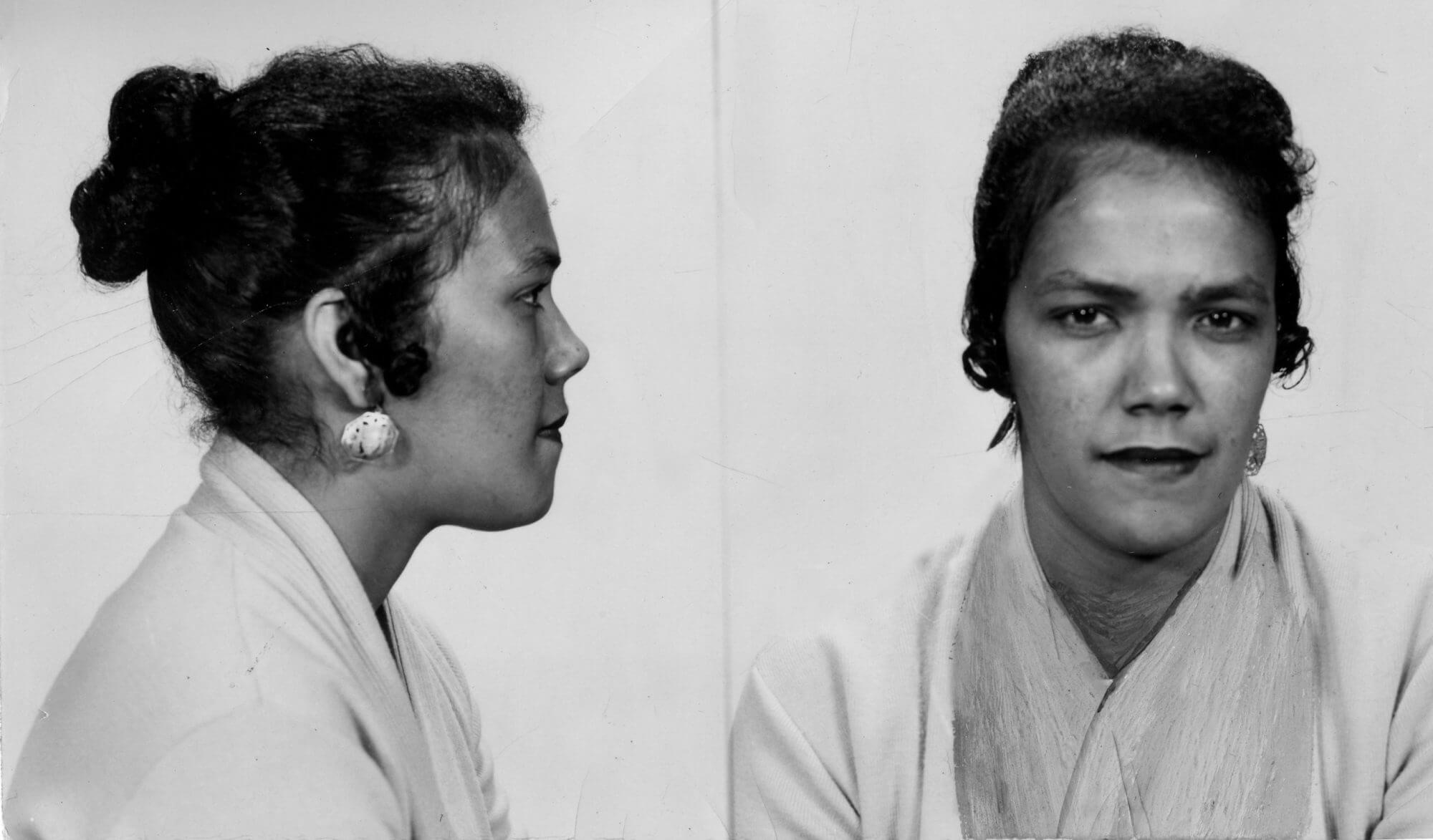
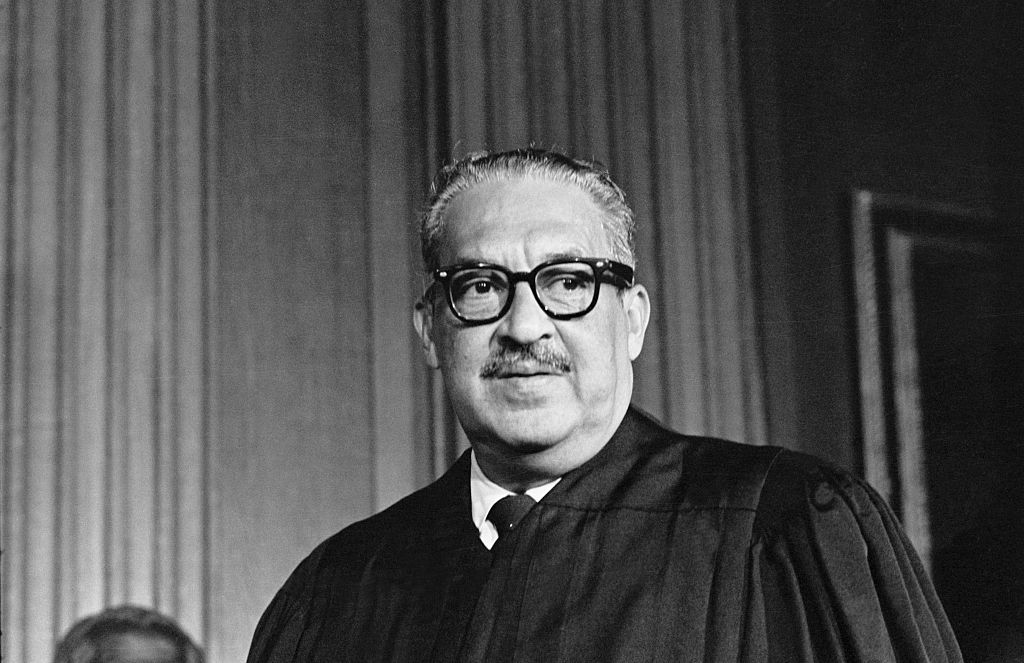
In 1872, the Howard University School of Law would go on to produce the first Black woman lawyer, Charlotte E. Ray, who used the name ” C.E. Ray,” to bypass gender constructs and obtain admission to the university. Other notable graduates from the illustrious institution include James C. Napier, Registrar of the United States Treasury (1911-1913) and member of Howard’s Board of Trustees (1911-1940), and Thurgood Marshall, the first Black American United States Supreme Court Justice.

Today, the Howard University School of Law is ranked #39 in the nation for law schools with the most graduates in public interest law 2, exemplifying accomplishment in civil rights, legal innovation, and progressive change in America’s post- segregated society.

Leave a Comment